Voters Decide Senate and Governor Races in Key Swing States
With polls open, Americans cast ballots in 35 Senate contests and 36 governorships, shaping the balance of power for the final two years of the Trump administration.
By Hana Gray ·
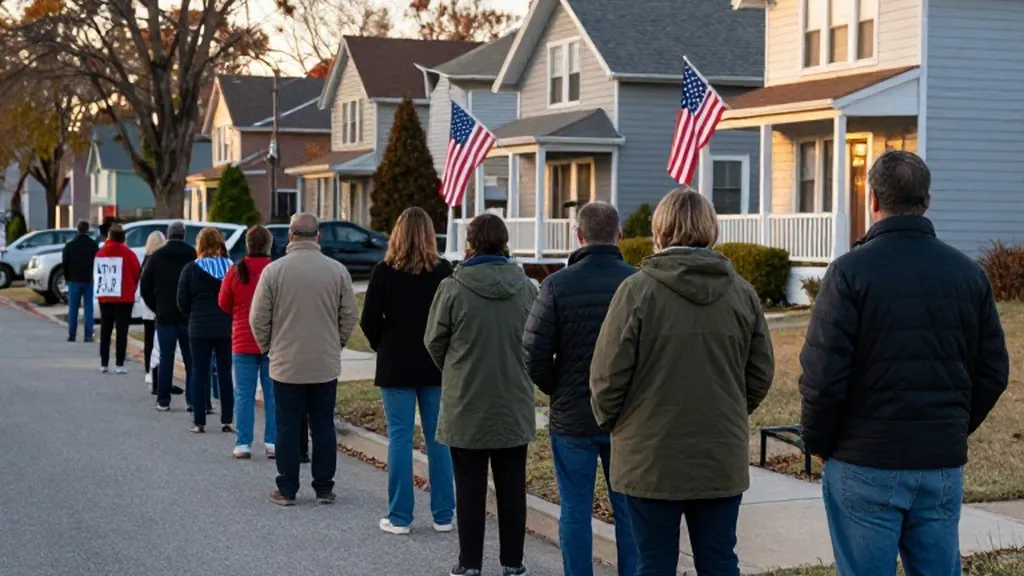
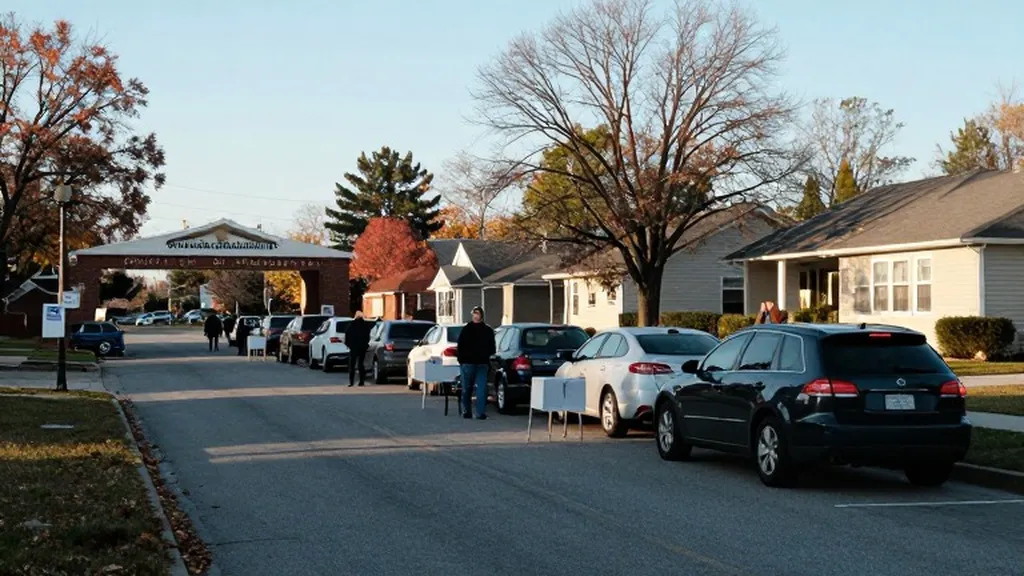
Across the country, voters are heading to polling places to decide the outcome of 35 Senate seats and 36 governorships in the 2026 midterm elections. This election, occurring halfway through President Donald Trump's second term, will determine which party controls Congress for his final two years. According to Ballotpedia, Republicans currently hold 53 Senate seats and 26 governorships, while Democrats hold 45 Senate seats and 24 governorships. The outcome of these races will directly influence the administration's ability to pass legislation and conduct oversight in the coming months.
Democrats face a steep path to reclaiming the majority in the Senate, needing a net gain of four seats to secure control. Republicans can afford to lose only two seats to maintain their current advantage. In the House of Representatives, where all 435 seats are up for election, Democrats require a net gain of three districts to achieve a majority. Republicans hold a slim lead in the current chamber and can lose no more than two seats. The Associated Press describes the election as a referendum on the current administration, with many voters expressing frustration over high prices and an unpopular war with Iran.
In the Senate, thirteen races are considered battlegrounds where the outcome remains uncertain. In Georgia, Democratic Senator Jon Ossoff faces Republican Representative Mike Collins in a state that Trump won by 2.2 percentage points in 2024. In Michigan, an open seat created by the retirement of Senator Gary Peters is contested by Republican former Representative Mike Rogers and Democrat Abdul El-Sayed. The AP notes that economic strain and tariffs have made these states highly competitive. In Maine, Senator Susan Collins, a Republican, is challenging Democratic former state Senate President Troy Jackson in a race rated as a toss-up by major political analysts.
Other critical Senate contests include North Carolina, where Democratic former Governor Roy Cooper runs against former RNC chair Michael Whatley in a state that Trump won by 3.3 points. In Ohio, Democratic former Senator Sherrod Brown faces Republican Senator Jon Husted in a special election. In Texas, Republican Attorney General Ken Paxton, who received Trump's endorsement over incumbent John Cornyn, competes against Democrat James Talarico. In New Hampshire, Democratic Representative Chris Pappas runs against former Republican Senator John E. Sununu for the seat of retiring Senator Jeanne Shaheen. These races highlight the intense competition for control of the chamber, with small margins likely to determine the final balance of power.
Governor races are also drawing significant attention, with 36 offices on the ballot. Democrats are defending five governorships in states that Trump won in 2024, including Arizona, Kansas, Michigan, Pennsylvania, and Wisconsin. Republicans are defending two governorships in states that Harris won, specifically New Hampshire and Vermont. In Georgia, Republican healthcare executive Rick Jackson faces Democratic former Atlanta Mayor Keisha Lance Bottoms in a race to succeed Brian Kemp. In Nevada, Republican Governor Joe Lombardo runs against Democratic Attorney General Aaron Ford. The AP identifies Texas, Florida, and Iowa as competitive governor races that could shift the balance of executive power.
Voters are weighing the cost of living and healthcare against the conduct of the administration in the Iran conflict. AP-NORC polling indicates that 35 percent of U.S. adults approve of Trump's job performance, while only 25 percent approve of his handling of the economy. Approximately seven in ten Americans say the country is heading in the wrong direction, with most blaming the president for high prices. James Moore, a 57-year-old librarian in Raleigh, North Carolina, noted that he is paying more for taxes, healthcare, and everyday goods. These economic concerns appear to be driving high voter engagement, with more than 57 million people having already voted before Election Day, surpassing early vote totals from four years ago in many closely watched states.
Republican committees have outspent Democratic committees in the general election, aided by Trump-affiliated groups and Elon Musk. However, at the candidate level, Democrats have outraised their opponents. An AP analysis of AdImpact data shows that 88.1 percent of Republican general election TV ad spending went to states and districts Trump won in 2024, including over $850 million in areas where he won by 10 points or more. Despite this financial edge, Democrats remain cautiously optimistic, believing that voter anger over the economy could drive turnout. RNC Chairman Joe Gruters stated that everything depends on turnout, while DCCC Chair Suzan DelBene emphasized that the American people are angry and want change.
The election also features new congressional maps in six states following mid-decade redistricting: California, Florida, Missouri, North Carolina, Tennessee, and Texas. Ohio also uses a new map. These redistricting efforts were designed to help Republicans maintain their advantage, but some new districts may not vote as drawn. In the House, 60 incumbents did not run again, including 23 Democrats and 37 Republicans. Ballotpedia counts 46 battleground districts, with 25 held by Democrats and 21 by Republicans. The complexity of these maps adds another layer of uncertainty to the final tally, as analysts watch to see if the geographic shifts will hold up in the actual voting results.
Election administration has been a point of contention, with a federal judge temporarily barring the Trump administration from a plan to prevent noncitizen voting. Critics argue this risks disenfranchising eligible voters, while supporters say it ensures the integrity of the process. The administration also sued in Alaska and California regarding the certification of results and ballot segregation. The U.S. Postal Service added hours and staff to ensure mail ballots are counted on time. These administrative actions reflect the high stakes of the election, where procedural details could influence the final outcome in close races.