How to Vote on Election Day 2026: Hours, ID and Mail Ballot Guide
With polls open across the country, voters must navigate varying state rules for identification and polling place hours while the Postal Service manages a high volume of mail ballots.
By Naomi Whitaker ·
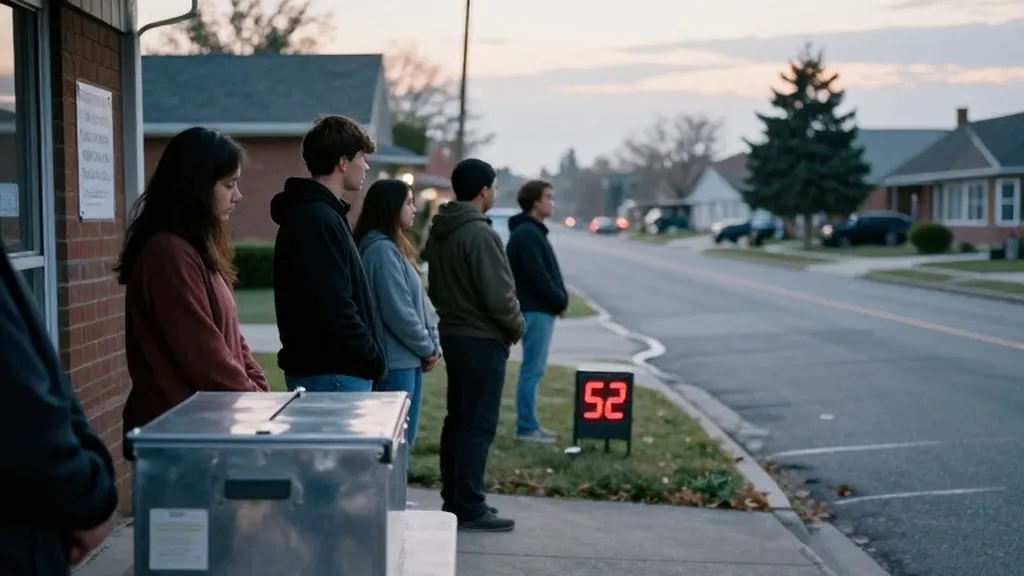
It is Election Day, Tuesday, November 3, 2026, and voters across the United States are deciding the balance of power in Congress for the final two years of President Donald Trump's second term. The Associated Press describes the election as a referendum on the administration's performance, with many voters focused on high prices and the ongoing war with Iran. More than 57 million people had already voted as of Monday, surpassing early vote totals from four years ago in many closely watched states. For those heading to the polls today, understanding the specific rules of their state is essential to ensuring their ballot is counted.
The first step for any voter is to confirm their location and the hours of their polling place. The U.S. government website vote.gov allows voters to find their assigned polling place. Polling hours vary significantly by state, and knowing the exact window for voting can prevent a trip to the wrong time. For example, in California, polls are open from 7 a.m. to 8 p.m. local time, while in New York, they remain open from 6 a.m. to 9 p.m. In states like Illinois and Missouri, polls close at 7 p.m., whereas in Connecticut and Maine, they stay open until 8 p.m. Voters in New Hampshire will find that hours vary by town, with polls open by 11 a.m. and closing no earlier than 7 p.m.
Identification rules also differ by state, and voters are advised to check their specific state requirements before leaving home. Some states require a photo ID, while others accept non-photo identification or allow voters to sign an affidavit if they do not have ID. Ballotpedia notes that these rules are strictly enforced, and being prepared can save time at the polls. The U.S. Postal Service has added hours, staff, and special lines to ensure that mail ballots are counted on time, a critical step in states where a large portion of the vote is cast by mail. This logistical effort is designed to meet strict deadlines for counting absentee and mail-in ballots alongside in-person votes.
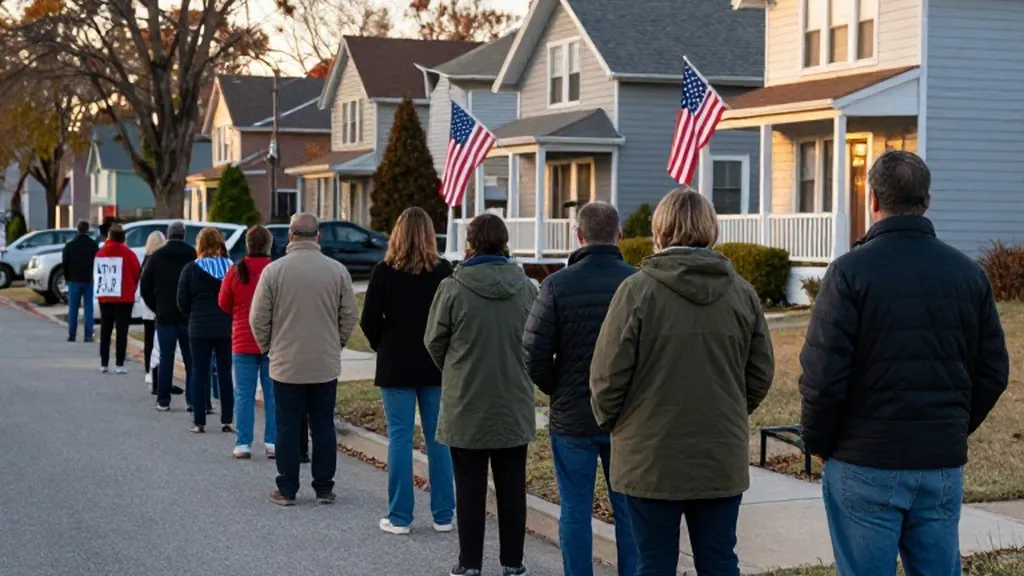
Voters should be aware that anyone in line when polls close is entitled to vote, a rule that can extend the voting period in busy jurisdictions. In states such as Pennsylvania and Wisconsin, polls are open from 7 a.m. to 8 p.m. In Texas and Florida, the standard hours are 7 a.m. to 7 p.m., though Florida uses both Eastern and Central time zones. For voters in Alaska, polls are open from 7 a.m. to 8 p.m. In Arizona, the window is 6 a.m. to 7 p.m. These variations mean that a voter traveling or moving recently must double-check the local schedule to avoid arriving after the deadline.
The election is particularly high stakes due to the number of seats up for election. All 435 House seats are contested, with Democrats needing a net gain of three districts to take the majority. In the Senate, 35 seats are up, including 33 regular elections and two special elections. Republicans currently hold 53 Senate seats, and Democrats need a net gain of four seats to reclaim control. The Associated Press reports that one or two seats could tip either chamber, making every vote crucial. The election also includes 36 governorships, with Democrats hoping to hold a majority for the first time in two decades.
Financial disparities in the campaign have been a notable feature of this cycle. The 2026 elections are likely to be the most expensive in history, with Republican committees outraising and outspending Democratic committees at the party level. This spending was heavily concentrated in states and districts that President Trump won in 2024. However, at the candidate level, Democrats outraised their opponents. The money war has intensified the competition in battleground states like Georgia, Ohio, and Texas, where the outcomes of Senate and governor races are particularly close.
Voters are also navigating a complex legal landscape regarding election administration. A federal judge temporarily barred the Trump administration from carrying out a plan to prevent noncitizen voting, a move that critics said risked disenfranchising eligible voters. Another judge ordered the administration to stop demanding that California election officials segregate ballots cast by people on lists of suspected noncitizens. These legal battles have added a layer of uncertainty to the day's proceedings, with the Justice Department threatening to prosecute local election officials in some cases. The Postal Service's expanded operations are a direct response to the volume of mail ballots that must be processed in this environment.
In the House, 46 districts are considered battlegrounds by Ballotpedia. In the Senate, races in Maine, Iowa, Kansas, Alaska, Michigan, and Georgia are rated as competitive or toss-ups. The Associated Press notes that economic strain and tariffs have made states like Maine more competitive than in previous cycles. In the governor races, Democrats are defending five governorships in states that Trump won in 2024, while Republicans are defending two in states that Harris won. The outcomes in these races will determine which party controls state legislatures and executive offices, influencing policy implementation in the coming years.
For those voting by mail, the Postal Service has implemented special measures to ensure timely delivery and counting. Voters should check with their local election office to confirm the final deadline for mail ballots to be received or postmarked. In states like Oregon and Washington, the election is largely conducted by mail, and the process is streamlined to accommodate this method. The combination of in-person voting and mail ballots requires coordination between local election officials and federal agencies to ensure that every eligible vote is recorded accurately.