Amazon Drops Virginia Data Center Plans for Housing and Art
Following intense local resistance, Amazon is converting a 122-acre site in Loudoun County into residential and mixed-use developments instead of four new data centers.
By Hana Gray ·
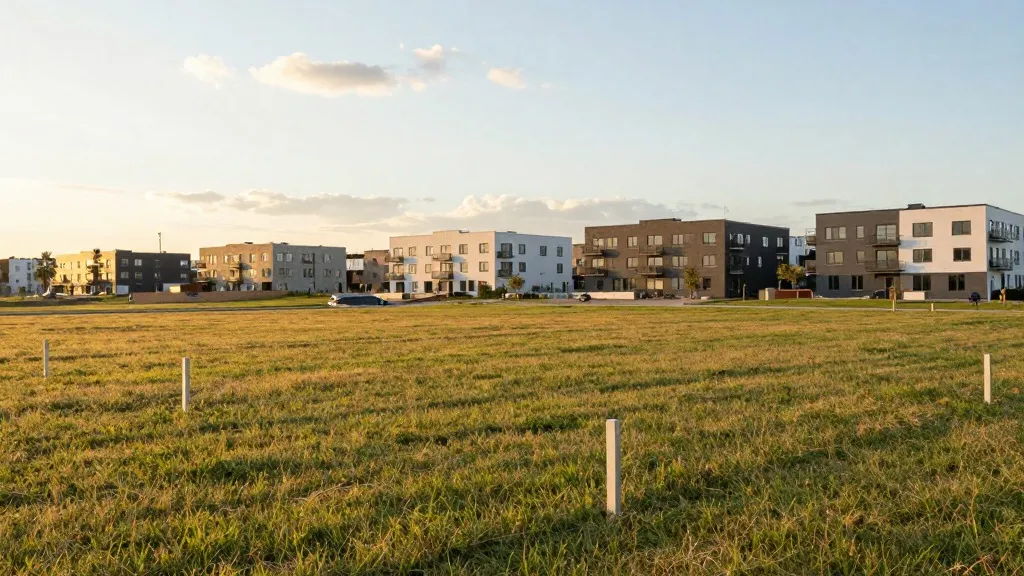
Amazon has officially abandoned its proposal to construct four new data centers on a 122-acre parcel in Loudoun County, Virginia. The company will instead repurpose the majority of the land, which is located on the site of the former George Washington University campus, for mixed-use and residential development. This decision marks a significant shift in strategy for the tech giant in a region already known for its dense concentration of computing infrastructure.
The property is situated just outside Washington, D.C., in an area frequently referred to as Data Center Alley due to the high number of existing facilities. In addition to building homes and mixed-use spaces, Amazon has agreed to donate 25 acres of the land to Loudoun County. This portion of the property will be used to construct a community arts center and a new recreational facility. The company has also committed a five million dollar donation to the county’s housing fund, a move designed to address local concerns about affordable living spaces.
The plan to build the data centers was first submitted in July of this year. By September, tensions had risen as the local community voiced strong objections. Residents expressed worry over the noise generated by such large facilities and the massive amount of power they would consume. These concerns prompted a meeting in September between Amazon representatives and Phyllis J. Randall, the Chair of the Loudoun County Board of Supervisors. During that discussion, county officials suggested that the company might be better served by finding an alternative use for the land.
Josh Weissman, Amazon’s vice president for data center development, explained the company’s reasoning in a statement. He noted that Amazon had eagerly pursued the purchase of the former university campus when it became available. However, the company took the county’s specific concerns about the site into serious consideration. Weissman stated that while Amazon viewed the legal development potential of the property differently than the county did, they concluded that a shared vision was preferable to costly litigation.
The broader context for this decision involves the rapid expansion of artificial intelligence. The growing demand for cloud services and AI processing has driven a surge in the construction of larger and more powerful data centers. This boom has led to increased friction with local communities who are concerned about rising electricity prices and environmental impacts, including water usage and deforestation. In response to these issues, officials have begun exploring ways to ease the burden on local communities.
Just days before this news broke, President Donald Trump called for data center builders and AI hyperscalers to pay a dividend to local communities. This was a direct reaction to energy-related price increases. In a social media post, the President argued that data centers should be required to generate their own electricity and sell any excess power back to the local grid. These federal and state level discussions reflect a growing trend of scrutiny regarding the infrastructure supporting the AI economy.
Loudoun County officials framed the outcome as a success for community engagement. Randall issued a statement highlighting the value of dialogue over confrontation. She said the agreement creates new places for residents to gather, create, and play. Most importantly to her, the deal provides more attainable homes for working families in the area.
The next steps for the project will involve detailed planning for the mixed-use and residential components. The county will now oversee the development of the donated 25 acres into the new arts and recreation facilities. For Amazon, this move allows the company to maintain a physical presence in the region without the immediate operational challenges of running four new data centers in a contested location.
This development serves as a notable example of how local opposition is influencing the placement of critical technology infrastructure. As the demand for AI computing power continues to grow, other regions may look to Loudoun County’s outcome as a model for balancing technological expansion with community needs and environmental considerations.
Source: Tom's Hardware · original report published