UW team tests saliva transplant to treat chronic bad breath
Researchers at the University of Washington are evaluating a procedure that uses healthy oral bacteria from donors to rebalance the mouth's microbiome in patients with halitosis.
By Aisha Saeed ·
The University of Washington is conducting a clinical trial to determine if transferring healthy oral bacteria can cure chronic halitosis. The team has completed initial transplants on four participants and is currently analyzing the data from those early procedures.
The study targets the specific bacterial imbalance that causes bad breath in up to 50 percent of adults. While most mouths contain a mix of microbes, some individuals harbor a higher proportion of odor-producing bacteria on the tongue or in the gums. The UW team aims to correct this ratio by introducing a healthy bacterial profile from a donor.
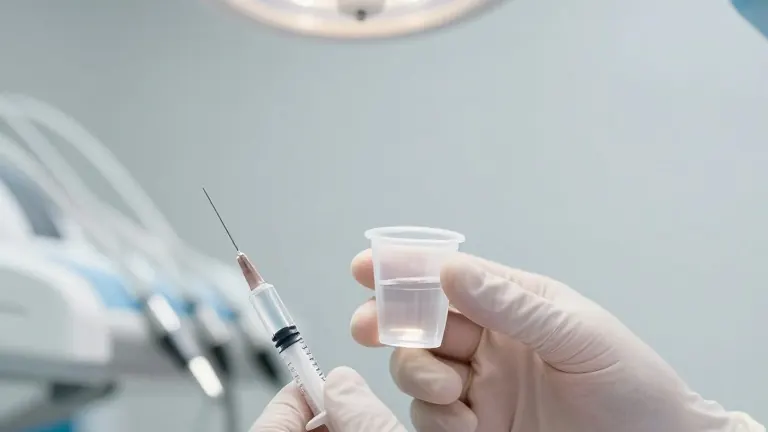
Each trial pair consists of a volunteer with halitosis and a second person without the condition, ideally a close friend or family member. Before the procedure, the research team harvests healthy bacteria from the donor. The recipient then undergoes a deep dental cleaning to prepare the oral environment.
The transplant is delivered in two stages. Researchers dilute the healthy bacteria in saline for a mouth rinse and apply a concentrated solution along the gumline. Participants report their breath status to the team three months after the treatment.
This is the first time researchers have tested bacterial transplants in humans specifically for halitosis. The concept borrows from fecal microbiota transplantation, a method already used to treat intestinal infections caused by C. diff bacteria. The UW team is extending this logic to the oral cavity.
The team is now seeking federal approval to expand the trial to a larger group of patients. If approved, testing could continue for up to two years. Researchers plan to recruit new participants for the expanded phase once the regulatory hurdles are cleared.
Source: KOPB-FM