Chefs Offer Concrete Steps to Build a Better Charcuterie Board
Experts advise on portion sizes, meat selection, and arrangement techniques to elevate holiday gatherings and casual parties.
By Naomi Whitaker ·
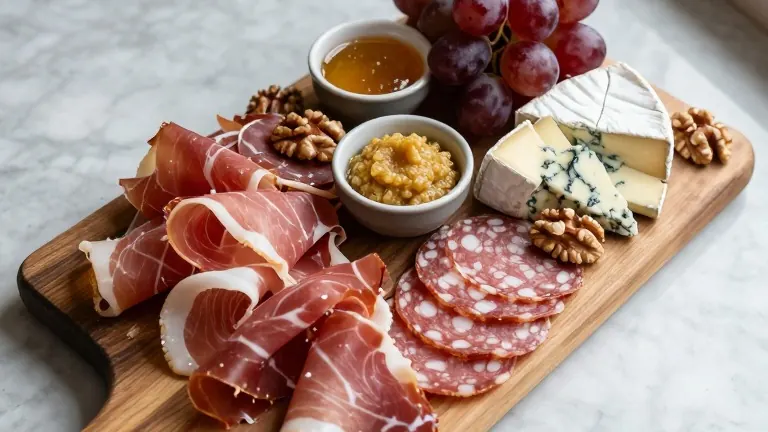
Professional chefs and caterers have outlined specific methods for constructing charcuterie boards that balance flavor, visual appeal, and practical portioning. The guidance aims to help hosts move beyond simple piles of food and create displays that function as conversation pieces for both small groups and large events. Serge Krikorian, owner and head chef of Vibrant Occasions Catering, states that incorporating an unexpected ingredient is the key factor that transforms a standard spread into a memorable centerpiece.
The foundation of a successful board relies on the quality of the raw materials. Sarah Simms, co-founder of the cheese and charcuterie shop Lady & Larder, advises hosts to prioritize quality over quantity. She recommends visiting local farmers markets to identify what is currently in season. Simms notes that charcuterie is a French term for prepared pork products, including ham, sausage, pâtés, salami, and confit. She asserts that if these meats are absent, the display is technically a cheese board rather than a charcuterie board.
Portioning guidelines vary depending on the role of the board in the meal. For an appetizer, Simms recommends serving two to three ounces of meat and cheese per person. If the board serves as the main course, that amount should be doubled. Cheyenne Nichols, chef and owner of Finest Cravings, suggests beginners keep the variety limited to two to four types. A simple combination of mild salami and Brie allows new hosts to master the basics without overwhelming their guests.
Meat selection plays a critical role in distinguishing the dish. Simms identifies prosciutto, coppa, salami, and pate as top choices. For cheese, she suggests selecting three to five varieties that differ in texture and milk type. These can include cow, goat, sheep, and buffalo milk cheeses. Emmy Rener, founder of Sophisticated Spreads, recommends using a very soft cheese such as goat cheese, Brie, or Camembert as the anchor of the board.
Rener pairs this soft anchor with a crumbly option like Parmesan or aged cheddar. She also includes a blue cheese for a distinct flavor profile. Manchego and wine-soaked cheeses are suggested for their visual appeal. Simms encourages hosts to sample cheeses at neighborhood shops to discover new favorites rather than relying solely on familiar brands.
Fruit, nuts, and spreadable items complete the composition. Rener advises using seasonal fruit, such as cherries in spring, peaches in summer, and pears in winter. Year-round staples include grapes, strawberries, blackberries, and raspberries. For nuts, she suggests mixing two to three kinds, pairing neutral options like cashews or almonds with bolder flavors such as caramelized pecans, spicy pistachios, or honey roasted peanuts. Simms points to local honey, honeycomb, seasonal jam, and grainy mustard as effective spreadables.
The physical surface of the board requires careful selection. Wood and marble are the most common materials. Experts favor wood for its sturdiness and durability, noting that many wooden boards feature side ridges, dips, or handles. Marble tends to keep meats and cheeses colder and often presents a more elegant appearance. Regardless of the material, the board must be large enough to hold all items without overflowing. Rener specifies that wooden boards should be cleaned after each use and conditioned monthly to prevent drying and cracking.
Arrangement is the final step in the process. Rener states that a plain stack of meats and cheeses lacks visual appeal. She suggests creating a "salami river" or arranging ribbons of prosciutto to flow across the surface. Color and texture are essential elements in the design. Red grapes often appear more elevated than green ones, while darker berries like blackberries add height and contrast. Small bowls can hold nuts and olives, while mini dishes prevent jams and spreads from touching other foods.
The next step for hosts is to apply these principles to upcoming gatherings. By following the specific portion sizes and material selections provided by Krikorian, Simms, Nichols, and Rener, individuals can create boards that are both functional and visually striking. The focus remains on using high-quality, seasonal ingredients and arranging them with intention to create a cohesive dining experience.
Source: NBC News
More News · National news · Report a business · Got a Story?