UAE UN Candidate Finishes Fourth, Facing Strong Regional Resistance
Lana Nusseibeh received seven encouraging votes in the first informal poll, while Costa Rica's Rebeca Grynspan leads with 11 votes and Turkey adds a seventh candidate.
By Aisha Saeed ·
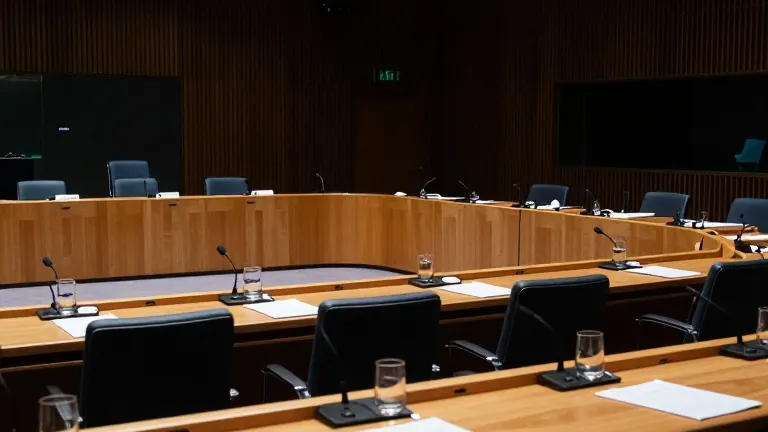
The race to replace United Nations Secretary-General Antonio Guterres has intensified, with the United Arab Emirates' nominee placing fourth in the first informal Security Council vote held on Friday. Guterres' second term concludes on 31 December, setting a tight deadline for the council to select a successor who must secure at least nine favourable votes and avoid a veto from any of the five permanent members.
Lana Nusseibeh, a veteran diplomat who has served the UAE mission at the UN for the past decade, was nominated by Abu Dhabi on 21 October. In the straw poll, she received seven encourage votes, six discourage votes, and two no opinion votes. Because members cast ballots on plain paper, diplomats cannot determine which specific permanent member powers voted against her. The vote occurred after reports indicated that Britain was leaning toward supporting Nusseibeh, a move that has drawn scrutiny given her previous role in the UAE Ministry of Foreign Affairs.
Civil society groups and human rights organisations have criticised Nusseibeh's candidacy, citing the UAE's foreign policy and domestic human rights record. Critics note that as a top official, she defended Abu Dhabi against UN panel reports linking the Gulf state to arms supplies and support for the Rapid Support Forces in Sudan. UN experts and international rights groups have accused the RSF of widespread atrocities, including the enslavement of women and girls and sexual violence. These accusations have led to intense debate over whether the UAE should lead the global body while facing such scrutiny.
Sudan’s permanent mission to the UN voiced strong opposition to the Emirati candidate. The office stated that it had fundamental questions about Nusseibeh's independence, impartiality, and credibility. The mission argued that Nusseibeh built her career by defending her country's record in the Sudan conflict, describing it as enabling genocide and other atrocities. The Sudanese delegation maintained that the UAE must face accountability rather than being rewarded with the UN's top leadership position.
Nusseibeh also faces a diplomatic hurdle regarding the informal regional rotation tradition. Rebeca Grynspan of Costa Rica currently leads the field with 11 encouraging votes. Latin American and Caribbean states are asserting that it is their region's turn to hold the post, a stance that complicates the chances of candidates from other regions. This regional bloc support provides Grynspan with a strong base in the council.
The field of candidates expanded just hours after Friday's vote concluded. Turkey officially nominated Feridun Sinirlioglu, a veteran diplomat and former Turkish envoy to the UN. Sinirlioglu currently heads the Organisation for Security and Cooperation in Europe. His entry brings the total number of official candidates to seven. The council will continue to hold informal consultations as it moves toward a final recommendation for the General Assembly.
Source: Middle East Eye