South Africans Vote Nov. 4 as Water Losses Hit 50% in Durban
Municipal elections prioritize fixing infrastructure, reducing unemployment, and curbing crime in the country's largest cities.
By Aisha Saeed ·
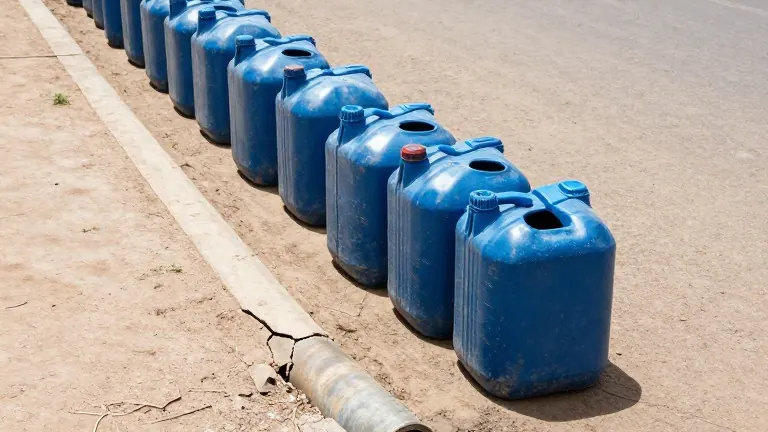
More than half of the water in eThekwini, the municipality that includes Durban, is lost before it reaches paying customers. This massive leakage, driven by aging pipes and illegal connections, tops a list of service failures that voters will weigh on November 4.
The municipal elections will determine local leadership in major metros including Johannesburg, Cape Town, Pretoria, and Durban. These cities face a shared set of problems that have eroded support for the ruling African National Congress. Residents cite unreliable utilities, high joblessness, and public safety risks as the primary factors shaping their ballot choices.
Johannesburg has struggled with similar infrastructure decay. The city’s water agency annual report states that about a third of its water supply is lost to burst pipes, leaks, and aging systems. Tshwane, which encompasses the administrative capital Pretoria, faces comparable maintenance backlogs in its water and electricity networks.
Cape Town has directed investment toward water, electricity, and transport to match population growth. However, long-term water security risks remain a concern for voters there.
Labor market data shows sharp contrasts between these regions. Statistics South Africa reports that Johannesburg’s unemployment rate climbed to 35.9% in the second quarter, up from 33.0% the previous year. Tshwane’s rate increased to 34.2% from 30.8%. In contrast, eThekwini recorded the lowest unemployment rate among the major metros at 21.2%, edging out Cape Town’s 21.9%. eThekwini also added approximately 90,000 jobs over the past year, bringing total employment to 1.29 million.
Crime statistics present a mixed picture for voters. Police data for the first quarter indicates that murders, carjackings, and aggravated robberies fell in Tshwane. Johannesburg saw declines in murders and carjackings, though violent crime levels remain high. Cape Town recorded fewer murders than the prior year, but gang violence continues to drive killings in specific areas. In eThekwini, carjackings and aggravated robberies decreased, while murder and attempted murder figures stayed elevated.
Housing and affordability pressures are intensifying in all four metros. Cape Town is experiencing a surge in residents and businesses following a tourism recovery, yet rising property prices and rental demand are straining the market. Tshwane faces growing demand for basic services, and eThekwini continues to manage sanitation backlogs in certain communities.
Source: KELO