Israel's Finance Ministry Finalizes Budget Plan: Gas Subsidy Ends, Defense Spending Rises
A NIS 1 per liter fuel subsidy expires Saturday, while the incoming government faces a mandate to pass a 2027 budget and fund an NIS 187 billion defense budget.
By Hana Gray ·

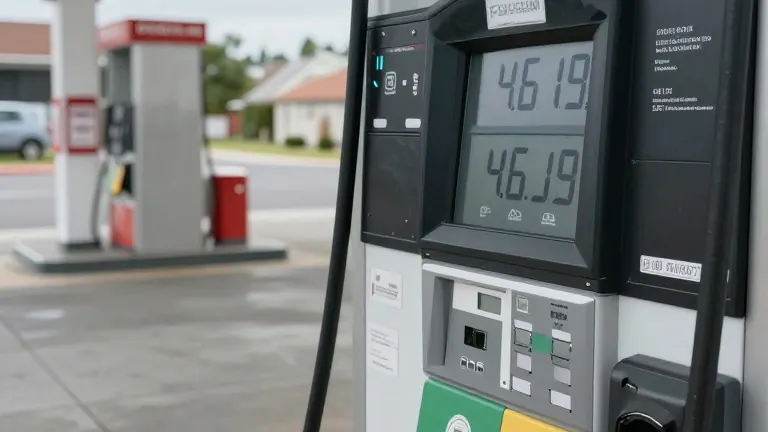
The Israeli Finance Ministry has completed a draft economic plan for the incoming government, ending the current subsidy on gasoline prices this Saturday.
The subsidy, which reduced fuel costs by NIS 1 per liter over the past two months, has cost the state more than half a billion shekels. When the support expires at midnight on Saturday, the price of a liter of self-service 95-octane gasoline is expected to reach NIS 8.90.
Global fuel prices may cause further increases beyond the NIS 1 adjustment. The decline of the dollar by roughly 1% against the shekel yesterday may slightly moderate the price hike.
Higher fuel costs are projected to raise prices for electricity, water, and public transportation, which have been frozen at the government's request. These adjustments will likely increase the Consumer Price Index.
The Finance Ministry estimates the proposed measures will generate NIS 10 billion in revenue. The plan includes ending the current tax exemptions for residential rental income, which are currently tax-free up to NIS 5,654 per month.
The ministry also proposes a tax on international content providers, a measure often called the Netflix tax. Additionally, the plan suggests reducing tax benefits on pension contributions and eliminating VAT exemptions for specific sectors.
Some of these legislative initiatives have been stalled in the Knesset Finance Committee. The new government will be responsible for implementing these policies once it is formed.
The macroeconomic measures aim to fund an increase in the defense budget, which is projected to reach NIS 187 billion. The primary source of funding will be sharp cuts to coalition funds and efficiency measures across government ministry budgets.
The incoming coalition must pass a 2027 budget, or potentially a two-year budget covering 2027 and 2028, that includes comprehensive reforms under the Economic Arrangements Law. Because the Finance Ministry is unlikely to secure approval by the end of 2027, it will need to prepare a continuing budget.
The timetable for implementation is tight, requiring coalition parties to begin taking action before the new government is officially established. Meanwhile, the Tel Aviv Stock Exchange reversed its initial decline on the final trading day before the elections, moving into positive territory despite warnings from Prime Minister Benjamin Netanyahu regarding the crypto economy.
Source: The Jerusalem Post
More Business · Consumer Alerts · Report a business · Got a Story?