128 Fatalities: Construction Leads Texas Work-Related Deaths
A state report reveals construction accounted for 128 of 557 fatal job injuries in 2024, highlighting complex legal paths for injured workers.
By Hana Gray ·
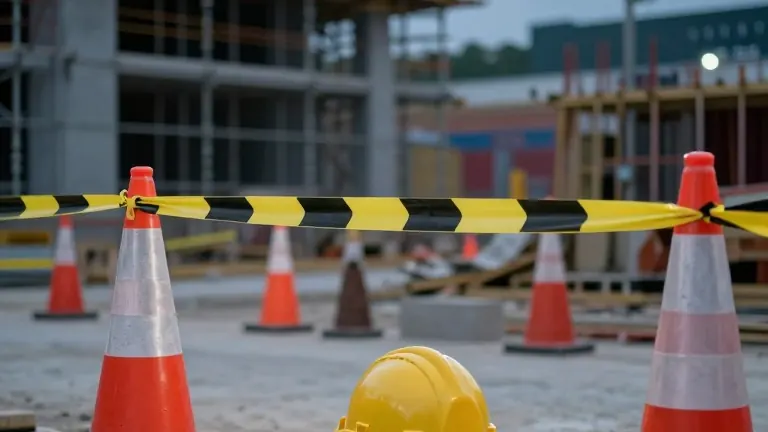
Construction sites accounted for 128 of the 557 fatal occupational injuries reported in Texas in 2024, according to a report published by the Texas Department of Insurance in March 2026. The data underscores the high risk associated with the industry and the complex legal questions that follow for the families of those killed. For each victim, the determination of liability often hinges on two specific factors: whether the employer carried workers' compensation insurance and which party caused the harm.
Texas law generally grants employees an exclusive remedy against their employer if that employer subscribes to the workers' compensation system. Under Section 408.001 of the Texas Labor Code, covered employees typically cannot sue their subscribing employer for work-related injuries. This exclusivity rule forces workers and their attorneys to identify other potential liable parties, such as contractors, equipment manufacturers, or property owners.
However, a statutory exception exists for fatal incidents. Section 408.001(b) allows surviving spouses or children to sue a subscribing employer directly if the death resulted from the employer's gross negligence or intentional act. To succeed in such a claim, the family must prove by clear and convincing evidence that the employer knew of an extreme, life-threatening risk and acted with conscious indifference to worker safety.
Workers may also pursue third-party negligence claims simultaneously with workers' compensation benefits. Chapter 417 of the Texas Labor Code governs the interaction between these two claim types. While an eligible worker can collect statutory benefits while a lawsuit against a third party proceeds, the insurance carrier may seek subrogation. This means the carrier can recover the benefits it paid from the third party's settlement, which can reduce the final amount received by the injured worker or their family.
For workers whose employers do not carry workers' compensation insurance, known as nonsubscribers, the legal path differs. A private occupational accident plan does not automatically establish subscriber status. Under Section 406.033, employers who opt out of the system lose certain common-law defenses, including contributory negligence and assumption of risk. This makes it easier for employees to sue their nonsubscribing employer directly for negligence, provided they can link the employer's actions to the injury.
Attorneys handling these cases often begin by verifying the employer's coverage status and identifying every entity that controlled the site or supplied equipment. Evidence from the accident scene, such as photographs and equipment identifiers, determines which legal routes are available. Families are advised to preserve all plan documents and obtain written confirmation of coverage for the date of the accident to ensure the correct claim strategy is pursued.
The determination of liability may involve multiple parties, including outside drivers or contractors. A worker injured in a scaffold collapse, for example, might receive compensation through their employer while investigators determine if a separate contractor was responsible for improper assembly. The specific facts of each incident dictate whether the claim proceeds against the employer, a third party, or both.
Source: Fort Worth Weekly