Osasco's Factory Closures Signal Shift in Brazil's Presidential Runoff
Industrial unions are losing ground to gig workers and small traders as Lula faces Flávio Bolsonaro in Sunday's final vote.
By Aisha Saeed ·
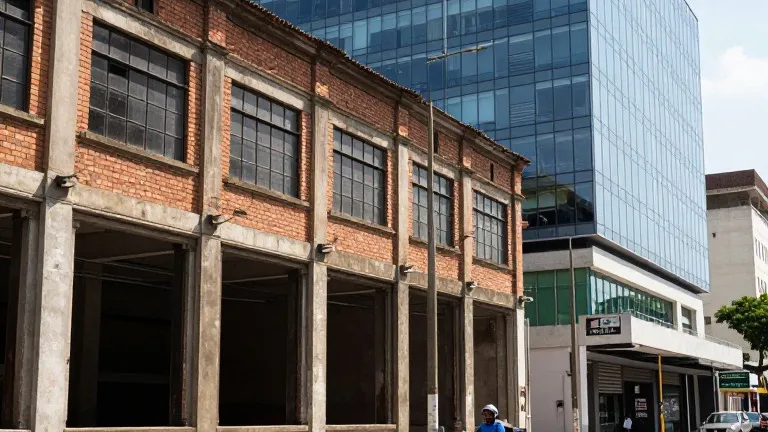
The economic foundation of Brazil’s left-wing vote is shifting from manufacturing floors to delivery apps, altering the dynamics of the presidential runoff scheduled for Sunday. In Osasco, a municipality in the state of São Paulo, the change is visible in the skyline. Former industrial sites have been cleared for commercial development, including five new shopping malls and headquarters for technology firms. This shift reflects a wider national trend where service sector jobs now outnumber traditional industrial roles.
Osasco voted for Luiz Inácio Lula da Silva in the 2022 election. In the first round of this year’s contest, held earlier this month, the city switched its support to Flávio Bolsonaro. That result aligns with national figures, where Bolsonaro secured the first-round victory. Historical data shows that every first-round winner since 1989 has proceeded to win the presidency in the subsequent runoff.
Gilberto Almazan, the leader of the local metalworkers' union, cites the disappearance of metal, chemical, and textile factories as the primary driver of this change. He notes that the working class is no longer predominantly industrial. Almazan describes the union movement that supported Lula’s political rise as outdated, comparing it to the Middle Ages. He argues that new workers, often drivers or food couriers, prioritize flexibility over the collective welfare structures Lula has traditionally offered.
Richard Lapper, an author who has written biographies of both Lula and Jair Bolsonaro, points to Brazil’s late industrialization and early deindustrialization as key factors. He describes the current political moment as a crisis of expectations. While unemployment has reached a record low under Lula’s current presidency, and Brazil was removed from the UN’s Hunger Map, household debt and high interest rates remain high. Robson, a 53-year-old civil servant who supported Lula in the past, blames heavy taxes on government mismanagement. Tairine, a hot dog seller who previously abstained from voting, now plans to back Bolsonaro, citing a lack of visible change since Lula returned to power.
Flávio Bolsonaro has proposed cutting government spending, reducing the number of ministries, and lowering certain taxes. He states he will retain specific welfare programs initiated by Lula. He also faces corruption allegations, which he denies. In the first round, 33 million Brazilians did not cast a ballot, marking the highest abstention rate since 1998.
Lula’s campaign is responding to the shifting electorate by organizing large street rallies, particularly targeting student populations. The campaign claims one rally in São Paulo drew approximately one million people, a figure supported by aerial footage circulated online. Lula, 80, has actively used social media to address concerns about his age, referring to himself as the king of selfies to counter claims that he is past his prime.
In lower-income areas, Lula’s track record continues to influence voters. In Maré, a large favela in Rio de Janeiro, abstention rates were above the national average, but Lula still won the local vote. Vitoria, an 18-year-old mother earning under 300 pounds per month, supports Lula due to the minimum wage increase and access to free essential medicines. She expresses doubt about Bolsonaro’s plan to designate the Comando Vermelho gang as a terrorist organization, citing police raids in Rio last year that resulted in more than 130 deaths. Andreza Dionísio, a local resident, attributes low turnout in her area to last-minute changes to polling station locations and general hopelessness.
Religious institutions are also playing a larger role in political engagement. Evangelical churches, attended by about a quarter of Brazilians, are providing childcare, employment advice, and food assistance to fill service gaps. Pastor Silas Malafaia, who is under investigation for allegedly obstructing the coup trial of Jair Bolsonaro, says Flávio Bolsonaro shares the church’s values regarding family and opposition to abortion. Almazan fears that the traditional base of support for Lula is disappearing as the economy transforms.
The final vote takes place on Sunday. The outcome will depend on whether voters prioritize the stability offered by Lula’s welfare policies or the proposed cuts and changes associated with Bolsonaro’s platform. The 33 million voters who stayed home in the first round may determine the winner if turnout patterns remain similar in the runoff.
Source: BBC News
More Business · World news · Consumer Alerts · Report a business · Got a Story?