Tesla pushes Optimus robot launch to late 2027
Elon Musk cites unresolved hardware and AI issues as reasons for the delayed timeline for general-purpose humanoid robots.
By Aisha Saeed ·
The race to build useful humanoid robots is entering a critical phase of reality checks. Elon Musk has confirmed that Tesla will not begin delivering its Optimus robots to external customers until the end of 2027. This announcement came during the company’s Q3 2026 earnings call, where he outlined the remaining hurdles.
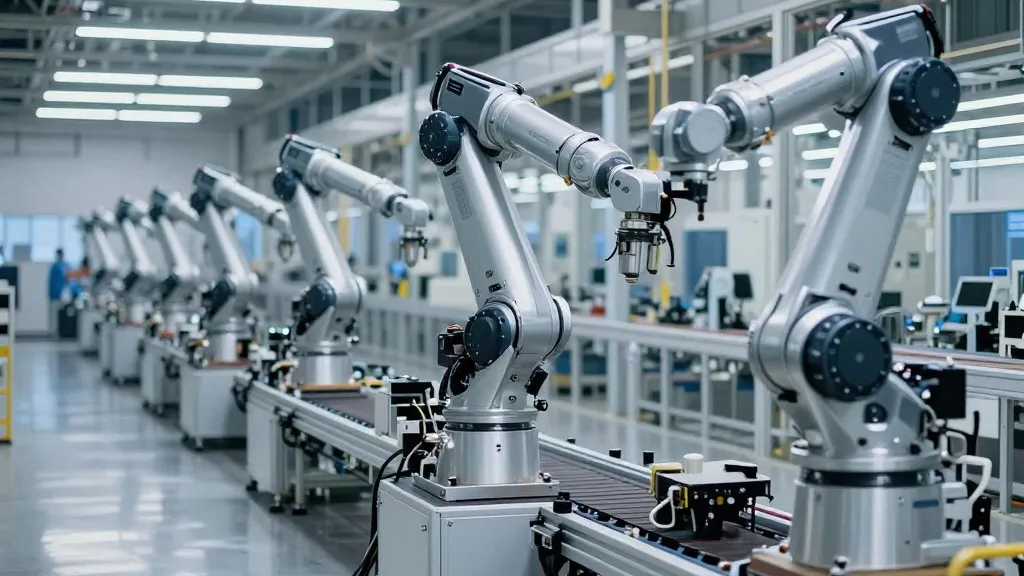
Tesla has begun early production on its high-volume line in Fremont, California. This facility previously built the Model S and Model X. Most of the line, designed to produce a million robots annually, is already installed. However, Musk noted that reaching a rate of 20,000 units per week will take at least another year. The design is still evolving, which complicates the manufacturing process.
The primary obstacles are the AI architecture, electromechanical design, and overall reliability. Musk emphasized that the robots must survive continuous use without wearing out. A specific pain point is the hand. An engineer on the call explained that the fingers must be soft enough for delicate tasks but tough enough to endure constant wear. Unlike human skin, robot hands cannot heal. Tesla plans to address the AI gap by building 10,000 to 20,000 robots to practice in an internal training environment called the Optimus Academy.
The company plans to integrate its AI5 chip into Optimus by April 2027. Musk promised a video within one or two months showing the robot performing unscripted tasks. He argued that many current demos rely on pre-programmed routines that fail in real-world conditions. Tesla’s shareholder letter now labels the current batch from Fremont as the first production-quality units, implying that earlier versions did not meet that standard.
This is not the first time Tesla’s timeline has shifted. In 2024, Musk predicted internal use in 2025 and high-volume external sales in 2026. By January 2025, he claimed the company would build 10,000 robots that year. He later admitted that none were doing useful work by year-end. Now, the target for outside customers is late 2027, starting with dangerous or repetitive industrial jobs.
Musk stated that no other company is close to Tesla’s progress. However, competitors have made significant strides. XPeng activated an automated production line in Guangzhou in September, with over 80% of core processes automated. It plans mass production by the end of 2026 and deliveries in the first half of 2027. Meanwhile, Boston Dynamics began producing its electric Atlas in January. All 2026 deployments are committed, including to Google DeepMind. Hyundai is using Atlas in its Georgia factory to sequence car parts. Boston Dynamics also hired Tesla’s former head of Optimus in January, taking a pragmatic approach by prioritizing sturdy grippers over human-like dexterity.
The stakes are high as the industry seeks to solve the problem of generalization. Tesla faces the same challenges as its rivals: durable hands, reliable hardware, and adaptable AI. While Tesla may have the highest production volume, making the robots useful remains the core challenge. Investors are watching closely to see if the promised video will prove the robots can handle real-world tasks without scripting.
Source: Electrek · original report published
More Business · Consumer Alerts · Report a business · Got a Story?