Lakshmi Aguirre details the financial squeeze on Spain's 14.70 euro daily lunch
New research shows the midday set meal now costs 14.70 euros on average as daily servings drop below four million.
By Hana Gray ·
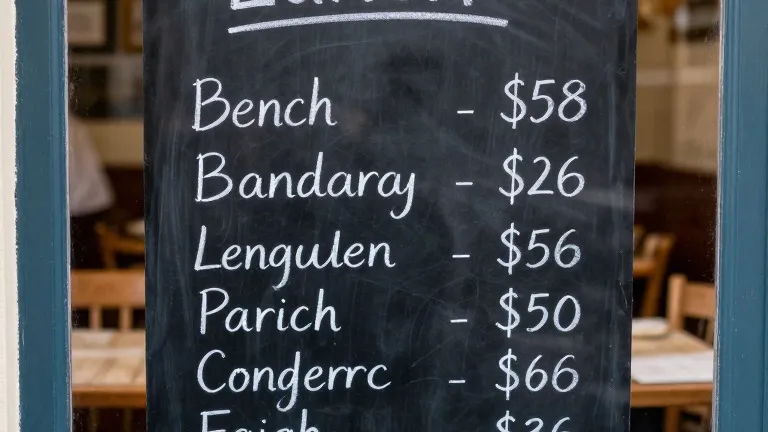
The average price of the menú del día in Spain has reached 14.70 euros, according to a new book by food journalist Lakshmi Aguirre. This fixed-price midday meal, which typically includes a starter, main course, and dessert or coffee, is experiencing a steady decline in daily consumption. Approximately four million of these meals are served on a typical workday, a figure that reflects a long-term downward trend in the tradition.
Aguirre's work, titled Menú del Día: Everyday Scenes of a First Course, a Second Course and Pudding, traces the origins and current state of this culinary staple. She describes the practice as being in trouble but not yet extinct. The book argues that the menu serves as a reflection of Spanish society's economic and cultural shifts over the last six decades.
The history of the menú begins in the mid-1960s under the government of dictator Francisco Franco. Manuel Fraga, the minister of information and tourism, created the offering to demonstrate to foreign visitors that food in Spain was plentiful, high quality, and affordable. The law mandated that restaurants serve a soup starter, a main dish of egg, fish, or meat with a side, and a dessert of fruit, sweets, or cheese. Prices were initially fixed between 50 and 250 pesetas, and the accompanying wine had to be a pure Spanish red or white with at least 12% alcohol.
In the early 1970s, the name changed to encourage local Spaniards to eat out, moving away from its perception as a tourist-specific offer. Despite its ubiquity, many Spaniards remain unaware of its political origins. Aguirre noted that people often react with shock upon learning of Fraga's role. She stated that this quick forgetting is a characteristic of the Spanish public memory regarding national history.
Financial pressures have accelerated the recent decline. Rising costs for energy and ingredients make it difficult for small, family-run restaurants to maintain a rotating daily menu. Many establishments have responded by offering a single dish of the day or incorporating Latin American ingredients to match changing demographics. Consumers also frequently opt for quick alternatives, such as packed lunches or microwaveable supermarket meals, due to time constraints.
Aguirre identifies specific markers of a quality menú. She looks for simple dishes, a menu that changes regularly, and fresh chips rather than frozen ones. She advises diners to avoid establishments that use trendy terms like avocado, burrata, or truffle on their chalkboard menus. The presence of a child doing homework at a back table is a sign of a family-oriented, traditional environment.
The journalist argues that the menu provides more than just affordable food. It offers a social space for families with limited budgets and companionship for people living alone. She emphasized that the value of the menú lies in the ability to sit down and enjoy a meal with time to spare, rather than just the monetary cost of the food.
Next steps for the tradition are uncertain as restaurants continue to adjust to market conditions. Aguirre's book serves as both a historical record and a guide for preserving the remaining venues that uphold the original spirit of the daily set lunch.
Source: The Guardian
More Business · World news · Consumer Alerts · Report a business · Got a Story?