Oil at $113 tightens Chalmers' options
Australian Treasurer Jim Chalmers faces falling growth forecasts and a $36 hike in fuel costs as Middle East tensions escalate.
By Aisha Saeed ·
Treasurer Jim Chalmers faces a deteriorating economic picture as global oil prices climb and domestic growth slows. The government is preparing to lower its growth forecasts ahead of the December mid-year budget update. This shift acknowledges slower expansion and higher unemployment for the coming year.
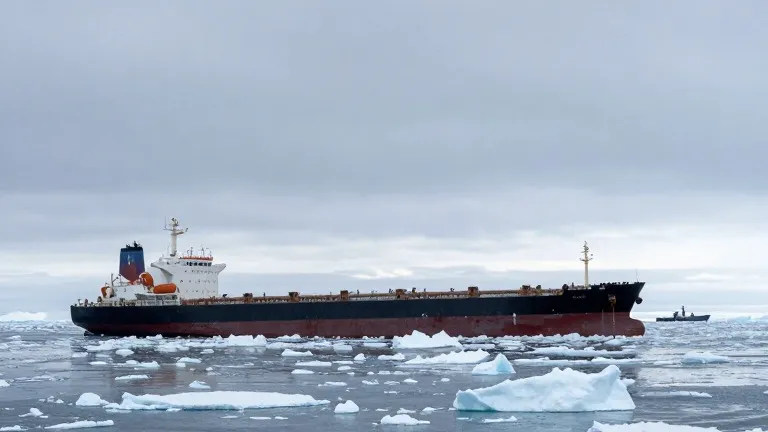
The primary driver of this economic cooling is the widening conflict in the Middle East. Global benchmark oil prices rose overnight to US$113 a barrel. This price sits close to the peak reached in April, which was nearly US$120. The surge directly impacts Australian households through higher fuel costs.
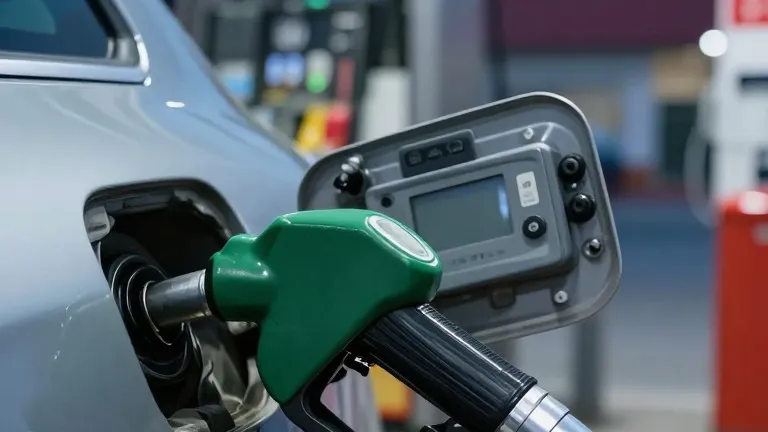
Before the United States and Israel attacked Iran, Australian motorists paid a specific baseline price for fuel. They are now paying 60 cents more per litre. For a standard 60-litre tank, this increase adds $36 to the cost of a fill-up. A family that fills up every week spends an extra $144 per month compared to February.
The situation could worsen. The New York Times reported that the United States and Israel have drawn up plans to resume attacks on Iran after the American midterm elections. Analysts at Westpac outlined a scenario where oil prices head toward US$150. The International Monetary Fund issued similar warnings earlier this month. Such an outcome would significantly affect inflation and interest rates.
The Reserve Bank of Australia may raise rates for a fifth time on 3 November. This decision comes against a backdrop of global economic shifts. Heavy spending on artificial intelligence has previously masked weakness in other sectors. However, investors are now uneasy about a sharp rise in corporate debt related to datacenter infrastructure.
This anxiety triggered a steep sell-off on Wall Street overnight. Community opposition to new datacenters may further slow the tech build-out. While this could be healthy in the long run, it adds to short-term economic stress. Talk of a tech stock bubble is increasingly paired with talk of a bust.
Reserve Bank Governor Andrew Hauser described the current mix of high inflation, low growth, and rising unemployment as a central banker's nightmare. Chalmers told Politico that the pressures on people are very substantial. He noted that some causes lie beyond Canberra's control, particularly decisions made in Washington, Tehran, and Eastern Europe regarding two ongoing wars.
Domestic factors also complicate the picture. High government spending works against efforts to fight inflation. Productivity growth is resting, meaning the economy reaches its speed limit sooner. Inflation runs higher at lower rates of growth. Chalmers' options for easing voter discontent are limited by these constraints.
The government has two main paths forward. It could cut the fuel excise again on a temporary basis. This would lower petrol prices but reduce the Reserve Bank's ability to rein in inflation. Alternatively, Labor could announce large spending cuts in the December update. This would assist the central bank but weigh on a weak economy and push unemployment higher.
Source: The Guardian