Food bills double as Iranian households scrap savings and dining plans
Skyrocketing prices for basic meals are forcing families across Tehran to cut back on meat, skip social gatherings, and abandon long-term financial goals.
By Hana Gray ·
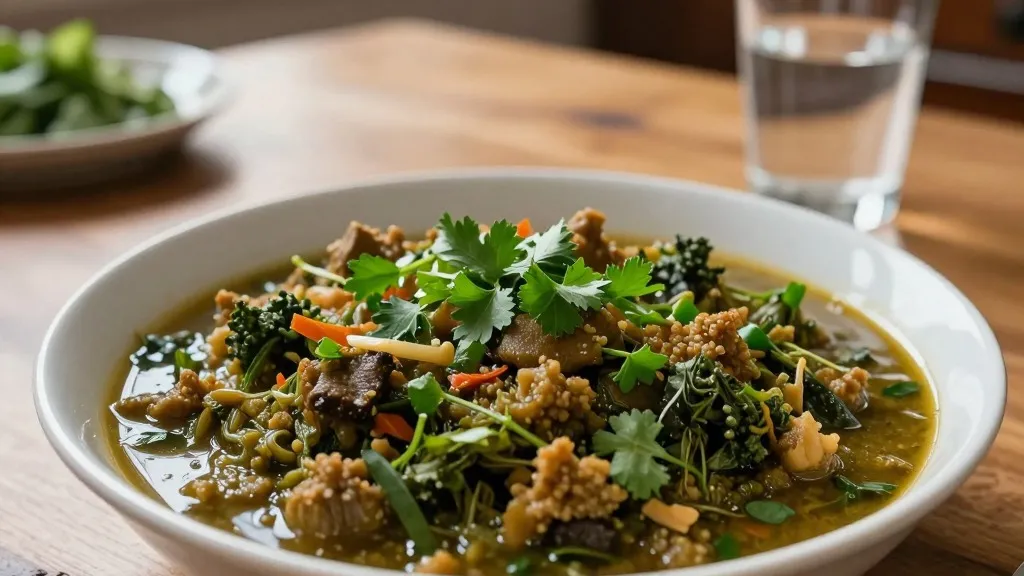
The cost of a single plate of ghormeh sabzi, the herb stew widely considered the national dish of Iran, has surged to 23 million rials. That translates to just $8.45 in US dollars, yet for many residents it represents a significant portion of their daily budget. This specific price point highlights the sharp increase in basic cooking costs that is reshaping daily life for millions of people in the capital. The financial squeeze is no longer limited to luxury goods but has firmly entered the realm of staple meals.
A recent field survey conducted by Radio Farda in central Tehran reveals that households are drastically altering their shopping habits. Families are making difficult choices about which necessities to forgo as the cost of living climbs. Activities that were once standard for the middle class are being abandoned due to the strain on bank accounts. The data shows a clear shift away from discretionary spending and toward strict budgeting for survival. This trend indicates a deepening economic crisis that affects a broad segment of the population.
The economic pressure has intensified following the conflict that began on February 28 when the United States and Israel launched a war against Iran. The fighting caused significant damage to infrastructure and disrupted trade flows in both directions. A US naval blockade of Iranian ports has severely cut down on oil exports and the import of essential goods. Additionally, Iranian efforts to control the Strait of Hormuz have further complicated shipping routes. In August, the US Treasury introduced a new sanctions package labeled as Economic D Day to further isolate the Tehran government financially.
The human impact of these macroeconomic shifts is visible in the daily routines of ordinary citizens. One newly married woman in Tehran explained that her family’s savings for a wedding celebration were instead used for a housing deposit. She now works two shifts to pay off a loan, and she and her husband spend most of their waking hours at work. She described their home as merely a place to sleep, noting that they feel poorer every single morning. Her story illustrates the widening struggle among Iranians as rising costs force them to reconsider spending on food, housing, and travel.
For many families, the change in diet is becoming a necessity rather than a choice. One resident noted that her household now reserves most of the meat and chicken for their children, who are still growing. The adults in the family have shifted to eating legumes and meat substitutes to stretch their budget. They express concern that further price hikes could eventually force them to remove meat from the children’s meals as well. This shift in nutritional priorities underscores the severity of the cost-of-living crisis affecting households with dependents.
Data from the fact-checking outlet Factnameh, which is based in Canada, provides a broader context for these individual stories. The organization estimated that a basket of 11 essential food items cost 56 million rials per person in September. For a family of three, that total rises to more than 168 million rials, or about $61.70. The government’s food voucher, valued at 10 million rials, covered less than 18 percent of the per-person cost. This is a significant drop from the approximately 30 percent coverage seen in December 2025. Annual inflation reached 89.9 percent in September, while the average monthly wage is estimated at only $100.
Abdolnaser Hemmati, the Governor of the central bank, acknowledged the heavy burden that Iranians are bearing during a statement on October 23. However, he maintained that international efforts to isolate the country’s economy have failed to achieve their primary objective. Despite this official stance, the daily reality for many remains harsh. The disparity between official narratives and lived experience is a key theme in current reporting from the region. The central bank’s position highlights the ongoing debate over the effectiveness of financial isolation tactics.
Even those with above-average incomes are feeling the pinch. A middle-aged man in western Tehran reported that his salary and rental income bring his household earnings to a billion rials per month. This is well above the average monthly household income in Tehran, which stands at around 600 million rials. Despite having more money than most, he stated that he can live for today but has no savings for tomorrow. Travel, dining out, and saving have all disappeared from his lifestyle, indicating that even higher earners are struggling to maintain financial stability.
Social habits are also changing as people seek ways to make outings affordable. A 28-year-old woman in Tehran, who earns 400 million rials a month, explained that she and her friends have changed how they socialize. They used to visit cafes weekly, but now they often order a single dish for two people to split the bill. She noted that sharing food is the only way to make a night out possible within their current budgets. This small adjustment reflects a broader cultural shift toward frugality and shared resources in the face of economic uncertainty.
A retired woman living on a monthly pension of 180 million rials, or about $66, is also adjusting her diet. She has cut back on meals containing meat and other major protein sources since the Iranian new year in March. She worries about her health but considers herself fortunate because she does not pay rent. Her situation highlights how inflation impacts those on fixed incomes, forcing them to make tough choices about nutrition and health. The collective experience of these individuals paints a clear picture of an economy under immense stress.
Source: RFE/RL