Election officials in non-battleground states face new scrutiny
As House and Senate races spread across the country, local clerks in states like Texas and Iowa prepare for intensified public pressure and potential errors.
By Aisha Saeed ·
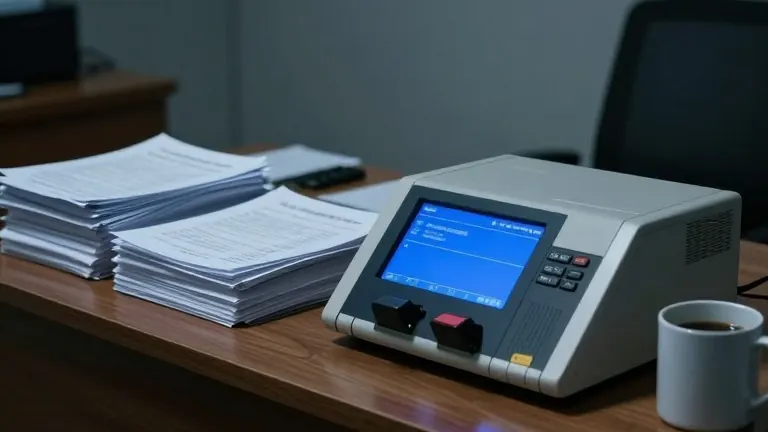
Local election officials in states historically considered safe for one party are preparing for a higher level of public scrutiny and error correction this year. Tina Barton, who served as city clerk of Rochester Hills, Michigan, in 2020, notes that mistakes in non-competitive states are often explained away in the press, whereas similar issues in battlegrounds can spark accusations of conspiracy.
During the 2020 election, Barton’s office accidentally sent an unofficial absentee vote file twice after the first transmission appeared to fail. The error did not affect the final vote count, and the tally was corrected the next day. However, the incident drew national attention, including an accusation from the Republican National Committee chair that the office improperly favored Democrats. Barton received numerous death threats, including a voicemail describing a desire for physical violence.
The distribution of competitive races in the 2026 midterms means that local officials in states like Iowa, Alaska, New York, and Kansas may find themselves in the national spotlight for the first time. Chris McGinn, executive director of the Texas Association of County Election Officials, stated that Texas has been a reliable Republican state for approximately 50 years. This reliability previously meant fewer competitive federal elections and less pressure on voting officials. McGinn’s organization is now training clerks for the possibility that this dynamic could shift, particularly given that a U.S. Senate race in Texas could determine control of the chamber.
McGinn told members of his association that the goal is to avoid a repeat of the 2000 Florida election controversy. He described the current mindset among many local officials as one of disbelief that high-stakes competition could reach their jurisdictions. He said, 'We're still in a state of not thinking it can happen to us'That happens in other places.''
The overall threat environment for voting officials appears calmer than during the period following the 2020 election. Wendy Link, supervisor of elections for Palm Beach County, Florida, reports that her office still receives threatening correspondence, which she refers to as 'love letters.' She cited an email claiming an army would be sent to arrest her and that she would be held in Guantanamo Bay. Link stated that while some emails are intended to intimidate, she is not currently requesting a security detail.
Barton, now vice president of the Committee for Safe and Secure Elections, warns that controversy can emerge in any state if a race is close. The organization helps local officials prepare for worst-case scenarios, such as equipment failure, ballot jams, or website outages. Researchers who study election misinformation indicate that false narratives typically originate from these real, minor technical issues. Influencers or politicians then amplify these events to suggest intentional fraud or a widespread systemic problem.
The Committee for Safe and Secure Elections doubled the number of trainings it led compared to 2024. This increase reflects growing concerns regarding the Trump administration's actions in elections and a broader understanding of the challenges faced by officials in competitive districts. Barton advises officials in these areas to maintain strict operational readiness.
Barton summarized her message to these officials with the words, 'I've told them all, you better be on your game.'
Source: Central Florida Public Media