Chinese Chipmakers Find a Way Around the EUV Ban, But the Bill Keeps Growing
Manufacturers are using older machines to make advanced chips, yet the extra steps required to do so are driving up costs and reducing efficiency.
By Aisha Saeed ·
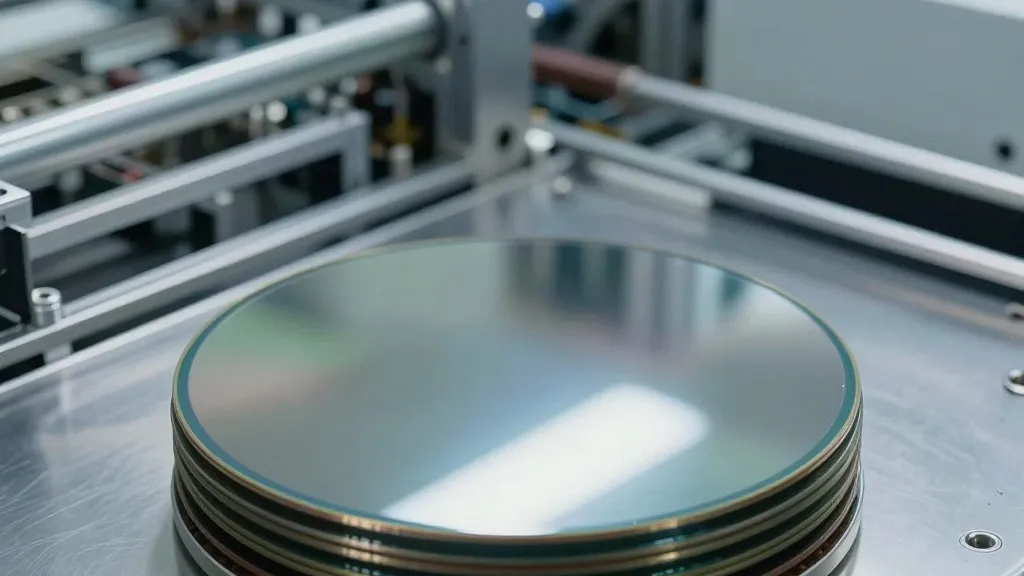
Chinese chipmakers have found a way to keep producing advanced processors despite being locked out of the most modern manufacturing tools, but the workaround is not free. By relying on older equipment and running the production process multiple times, factories can create silicon that rivals newer technology. However, experts warn that this method introduces more chances for errors, stretches out production timelines, and significantly increases the cost of every chip made.
The core of the issue is the absence of extreme ultraviolet lithography machines. These tools, made exclusively by ASML, use light with a wavelength of 13.5 nanometers to print the finest details on modern chips. Without them, Chinese manufacturers are stuck with deep ultraviolet equipment. Some analysts estimate that this technological gap places China five years or more behind Western competitors in cutting-edge chip production.
Despite this handicap, progress has been made. A 2023 examination of Huawei’s Mate 60 Pro revealed that its processor was built using a 7-nanometer class process without the newer light source. More recent analysis suggests the company has moved even closer to 5-nanometer densities. The technique involves multiple patterning, where a complex design is broken into simpler parts and printed step by step. Chris Mack, a co-founder of Fractilia, notes that industry wisdom suggests three passes with older tools cost about the same as one pass with the new ones, but a fourth pass makes the older method more expensive.
Quality control is a major challenge with this approach. Each new layer must align perfectly with the previous ones. More passes mean more chances for misalignment, which can lead to defects. To compensate, designers often add extra space around features, which makes the chip larger. This reduces the number of usable chips on a single wafer, a significant financial hit when wafers cost tens of thousands of dollars. As Mack put it, manufacturers do not sell the wafers, they sell the individual chips.
Memory chips show how large the efficiency gap can be. A recent report from Morgan Stanley estimated that a Chinese memory maker produces only about one-third as many bits per wafer as Western rivals. The bank described access to advanced lithography as a hard ceiling for development. While some argue that advanced packaging could help extend the life of older tools by the end of the decade, the reality is that memory is generally easier to manufacture than logic chips.
Even companies that eventually adopted the newer tools found benefits. Micron, for example, switched for its latest DRAM, claiming a 30 percent increase in bit density. While older tools can still be pushed to their limits, experts doubt that 3-nanometer or 2-nanometer nodes would be economically viable without the newer technology. Chinese manufacturers will likely continue to push the older equipment, accepting larger chips and lower yields. They are also expanding capacity, with Morgan Stanley predicting a rise in China’s share of global memory supply and a jump in AI chip self-sufficiency by 2030, even as a persistent gap remains in the most advanced areas.
The path forward involves a mix of strategy and endurance. Companies can keep using older tools, manage the increased costs, and add more production capacity. While the newer light source offers clear advantages in cost and density, the older route is not dead. It simply requires more time, more money, and careful management of quality to remain competitive in a rapidly evolving market.
Source: Tom's Hardware