Chinese Consumers Face Tighter Smartphone Market as Apple Seizes Second Spot
Rising memory costs have driven smartphone shipments to a fourteen year low, yet Apple and Huawei have expanded their market share while rivals lost ground.
By Hana Gray ·
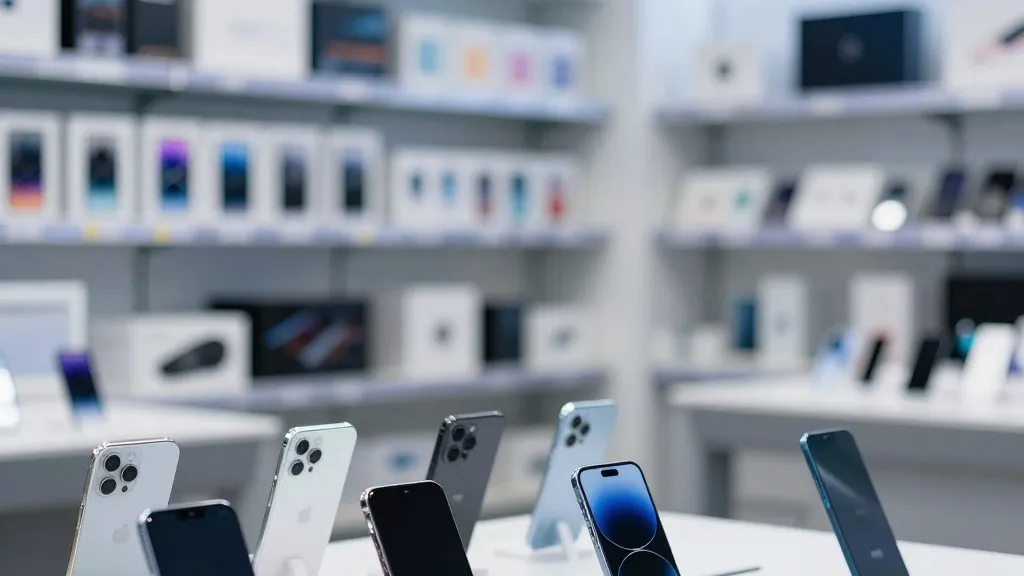
For working families in China, the recent smartphone market has become notably more volatile. A new report from Counterpoint Research indicates that the nation's smartphone market reached its weakest level in fourteen years during the third quarter of 2026. This downturn has significant implications for consumers, as rising memory prices continue to weigh on the industry and influence the final cost of devices. The contraction in supply suggests that buyers may face fewer options at stable price points, a trend that affects both new purchases and the timing of device upgrades for households relying on mobile technology for daily work and communication.
Despite the broad decline, Apple emerged as a distinct outlier. The company captured 19.5% of smartphone shipments in China during the quarter, marking an increase of 4.8 percentage points compared to the same period last year. This performance propelled Apple from sixth place to second in the national rankings. Only Huawei maintained a higher position, indicating that the market leadership is currently concentrated among these two brands while others struggle to maintain their footing.
Huawei also demonstrated resilience in the shifting landscape. The company held a 21.3% share of the market, which represents a 5.3 percentage point increase over the previous year. Among the six leading brands in the sector, Huawei and Apple were the only entities to gain shipment share. Every other major player experienced a loss of ground, highlighting a significant divergence in market strategy or product appeal during this challenging period.
The competitive pressure was evident among the other top manufacturers. Vivo saw its share fall by 2.8 percentage points to reach 15.2%, while OPPO slipped by 1.3 points to end the quarter at 15.1%. Xiaomi also lost territory, dropping 1.6 points to a 13.5% share. HONOR declined by 2.2 points to finish at 12.7%. Collectively, other manufacturers lost 2 points and concluded the quarter with a combined share of 2.8%.
Counterpoint attributed Apple's surge to the performance of the iPhone 18 Pro series. The research firm noted that this lineup saw a strong launch in China. Sales in the first three weeks were up 23.5% year over year when compared with the iPhone 17 Pro series. The firm also suggested that the delayed arrival of the base iPhone 18 may have nudged some shoppers toward the Pro models, thereby boosting early sales figures for the higher tier products.
These findings align with, yet differ slightly from, a separate report published by IDC a few days earlier. IDC stated that smartphone shipments in China fell 15.4% year over year in the third quarter. While IDC estimated Apple's share of the total rose to 17.8%, it noted that iPhone shipments themselves declined by 4.3%. This variance in data underscores the complexity of tracking market trends in a rapidly changing environment.
IDC also described a weak global picture for the industry. The firm estimated that worldwide smartphone shipments fell a record 22% year over year in the quarter. Within that global context, Apple posted the smallest decline among the top five manufacturers, with a reduction of just 4%. This relative stability suggests that while the overall market is contracting, certain brands are maintaining stronger consumer loyalty or demand.
Looking ahead, Counterpoint warned that conditions could remain difficult for the remainder of the year. Higher smartphone prices are leading consumers to put off upgrades, wait for promotional periods, or choose refurbished devices instead. This behavior could add further pressure to demand in the fourth quarter. For ordinary consumers, this suggests a period of caution where timing purchases and comparing options may be more critical than in previous years.
Source: 9to5Mac