Quarter-Century Ago, Pocket Music Changed
The 2001 launch of the 5GB iPod redefined portable audio, offering a full music library in a device smaller than a smartphone.
By Anastasia Volkova ·
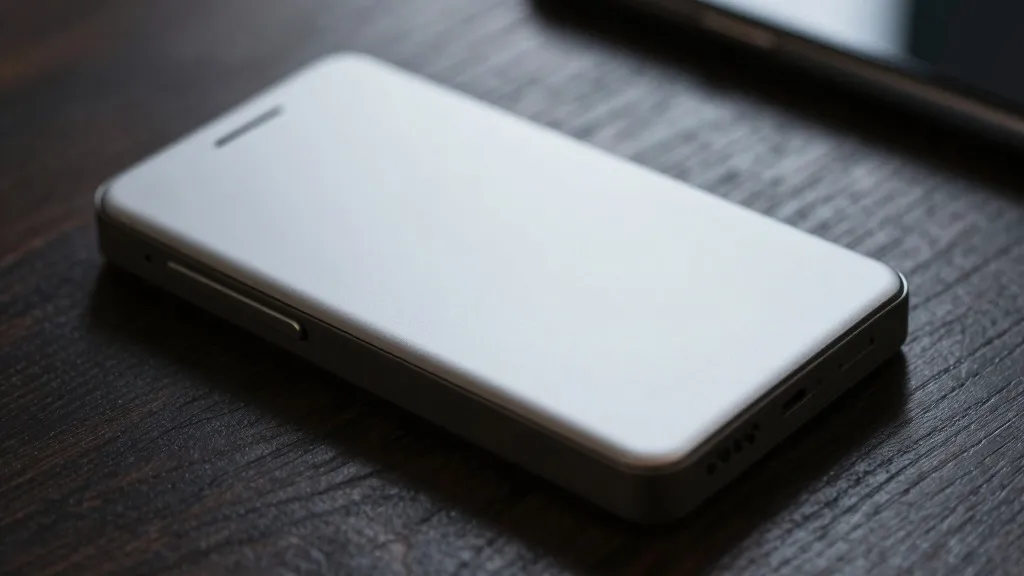
For listeners in the Pacific Northwest and beyond, the standard for carrying music shifted dramatically twenty-five years ago this week. The introduction of the original Apple iPod on October 23, 2001, meant that consumers no longer had to choose between the limited capacity of flash drives or the bulk of CD players. For $399, a user could hold approximately 1,000 songs on a device no larger than a standard deck of playing cards, a capacity that, for many, represented their entire personal collection.
The path to this device began in a company that was still recovering from the dot-com crash. By late 2001, Apple had moved past its beige-era hardware, establishing itself with the iMac and Mac OS X. CEO Steve Jobs envisioned a computer as the hub for all digital media, including cameras and DVD players. He identified portable music as a massive market lacking a clear leader, noting that while rivals like Sony and Creative existed, none had found the ideal formula for the consumer.
At the unveiling, Jobs presented the iPod as the solution to the fragmented market of CD players, MP3 CDs, and flash drives. He selected the hard disk-based approach as the optimal entry point. The device played standard formats of the era, including MP3, WAV, and AIFF, with CD-quality audio. The specific claim that resonated was the 5GB of storage, which translated to 1,000 typical pop songs encoded at 160Kbps.
The physical design relied on a 1.8-inch hard drive from Toshiba, which was only 0.2 inches thick. This component allowed the final product to measure 2.4 by 4 by 0.78 inches and weigh 6.5 ounces, a figure Jobs highlighted as being lighter than most cell phones of that period. The interface featured a single-hand control system with a scroll wheel that used a piezoelectric clicker for tactile feedback, allowing users to navigate by artist, playlist, or song title.
Connectivity was a major differentiator. The original iPod utilized FireWire 400 for data transfer and charging. Jobs claimed this connection could transfer an entire CD of music in five to ten seconds, a stark contrast to the USB standards of the time, which he estimated would take about five minutes for the same task. To fill the device with its full 1,000-song capacity, the FireWire connection was projected to take ten minutes, compared to five hours for a typical USB player.
Power management was also addressed with a lithium-polymer battery. Apple stated that the device offered ten hours of continuous playback. When depleted, the battery could be recharged to 80 percent in roughly one hour. The device also functioned as a FireWire hard disk drive, adding utility beyond just music playback.
The launch was synchronized with the release of iTunes 2. This software update introduced features like MP3 CD burning and, crucially, Auto-Sync. This feature ensured that the music library curated on a Mac was automatically mirrored to the iPod whenever the device was connected for charging or data transfer. During the demo, the first track played on stage was 'Building a Mystery' by Sarah MacLachlan.
The iPod’s dominance lasted for over a decade, coexisting with the iPhone, which arrived in early 2007. However, as smartphones matured, the standalone music player became redundant. The line continued with the iPod Touch, with the 7th generation released in May 2019. Although the product remained on the books for a few more years, it was officially discontinued in May 2022, closing a chapter on the dedicated digital audio device.
Source: Tom's Hardware