AI Data Centers Face New Energy Dividend Rule
The White House is demanding that artificial intelligence facilities compensate local residents for increased energy costs and infrastructure strain.
By Naomi Whitaker ·
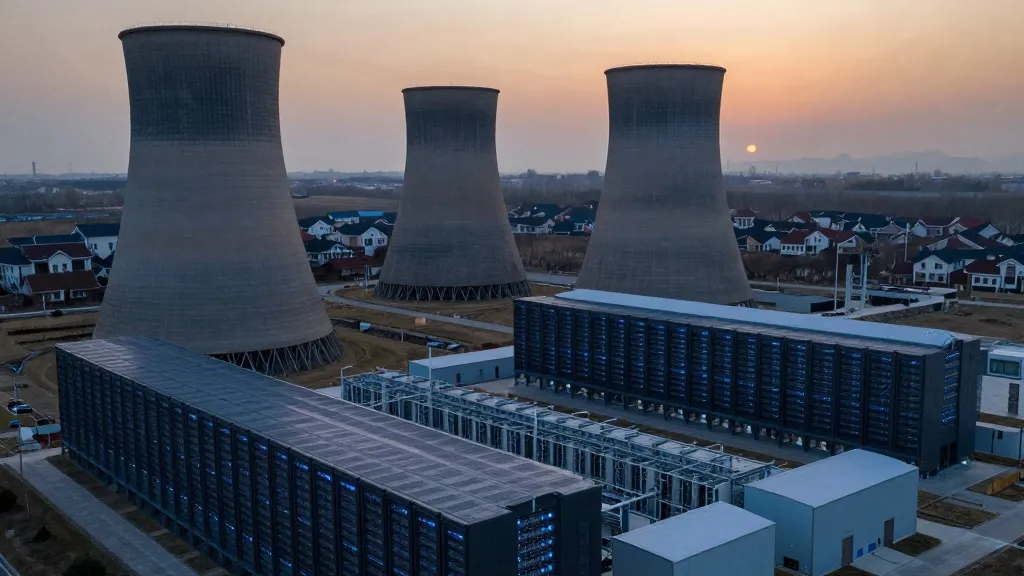
President Donald Trump has issued a directive requiring data center developers and major artificial intelligence firms to provide financial benefits to local communities. This move aims to mitigate the impact of rising energy bills and improve public acceptance of these large-scale facilities.
In a statement on Truth Social, the President outlined a new standard for the industry. He stated that data centers will not only be required to generate their own electricity, as previously ordered, but also return or sell excess power back to the surrounding area. The goal is to offset price hikes for local residents or potentially lower their costs. Trump emphasized that this financial arrangement is key to making the facilities more welcome in communities where they have faced significant opposition.
Local populations across the United States have increasingly voiced concerns about the presence of AI data centers. Residents frequently cite high electricity costs, noise pollution, water shortages, and air quality issues as primary grievances. These environmental and economic pressures have made the facilities a source of tension in many small towns and suburban areas. The administration believes that offering a tangible economic benefit will help resolve these disputes.
The White House is focused on maintaining a competitive edge against China in the global race for artificial intelligence dominance. To achieve this, the government is seeking ways to balance rapid expansion with community support. The proposed dividend could take the form of partial subsidies for electricity costs, directly addressing a major pain point for households near the facilities. This approach complements a recently passed act that requires data centers to cover the costs of grid upgrades, preventing those expenses from being shifted to local taxpayers.
Trump noted in his post that data centers often become popular in areas once a financial deal is reached. He urged developers to strike agreements with local communities to facilitate construction. The President closed his message with a call to action, stating, "MAKE DEALS, and get them built!!!" This directive signals a shift toward using financial incentives as a tool for regulatory approval and community engagement.
The effectiveness of these dividends remains a subject of debate. While financial compensation addresses one aspect of the issue, it does not solve all problems associated with data centers. High water consumption, ecological damage, and pollution continue to be significant challenges. Critics argue that the economic benefit may not be enough to overcome the environmental footprint of these facilities. The administration hopes that by sharing the energy burden, they can create a more sustainable model for deployment.
The requirement for data centers to generate their own power adds another layer to the dynamic. The excess electricity produced by these facilities could be used to lower local rates. This aligns with the broader strategy of making the industry self-sufficient while providing a service to the host community. The recently passed legislation ensuring that developers pay for grid enhancements further supports this model by protecting local budgets.
The timing of this mandate reflects the administration's desire to accelerate the buildout of AI infrastructure. By addressing the cost of energy directly, the government hopes to reduce friction between developers and local stakeholders. The success of this policy will depend on how companies structure these dividends and how communities perceive the value of the compensation relative to the environmental and social costs.
The next steps involve the implementation of these guidelines by data center builders. Companies will need to negotiate specific terms with local governments and utility providers. The administration is watching closely to see if these financial deals lead to a smoother approval process and a more favorable public reception for the expanding AI sector.
Source: Tom's Hardware · original report published