1,029 Songs: Apple's Hidden Virtual iPod Appears on Error Pages for 25th Anniversary
A fully playable retro device is now embedded in Apple Music's 404 page, offering a nostalgic trip back to the early 2000s.
By Aisha Saeed ·
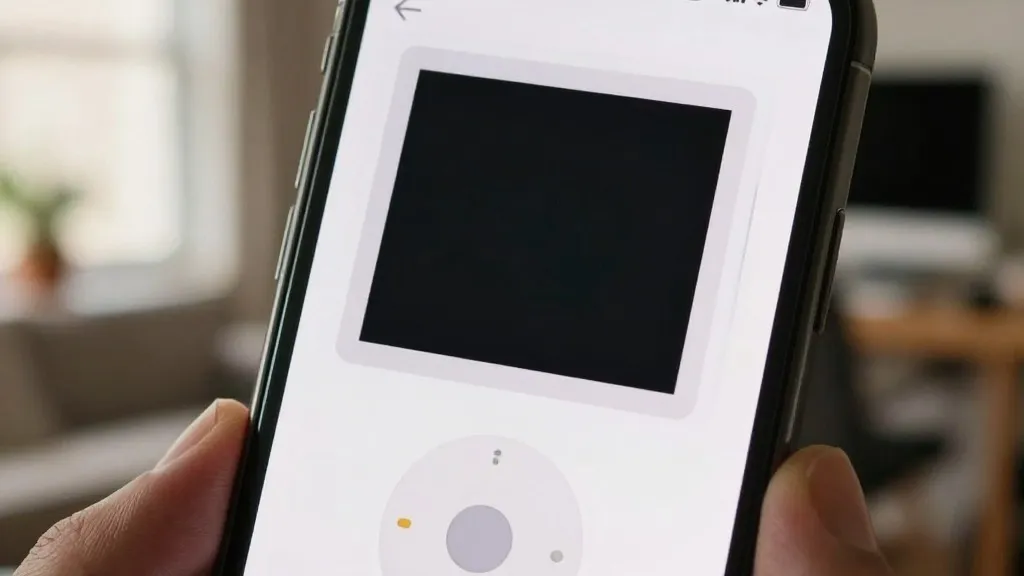
For millions of music listeners, the experience of hitting a broken link on Apple Music has just become a bit more interesting. Instead of a dead end, users who land on a missing page are now greeted with a working simulation of the original iPod. This hidden feature serves as a direct celebration of the device's 25th anniversary, marking a quarter-century since the product first changed how people carried their music.
The original iPod was a cultural landmark, famously advertised as holding 1,000 songs in your pocket. That claim was revolutionary at the time, and the new digital tribute highlights how far consumer technology has come. By placing this interactive element behind a standard error message, Apple has created a subtle nod to its own history that most casual users will likely never encounter.
To access the feature, a visitor must land on a page that no longer exists within the Apple Music web interface. Below the standard 'page not found' text, a new prompt suggests users 'give this a spin instead.' Following that instruction reveals a virtual replica of the classic hardware. It is not a static image but a fully functional unit that allows users to browse and play audio.
The virtual library contains exactly 1,029 playable tracks. The interface mirrors the familiar layout of the original device, with menu options for Playlists, Artists, Songs, and Settings. The music selection has a distinct early-2000s feel, featuring popular acts from that era such as Baha Men, blink-182, and Eminem.
Regional variations appear to exist in the catalog. One tester based in the United Kingdom noted seeing artists like Daniel Bedingfield, The Fratellis, and Klaxons. It remains unclear if these specific names appear for users in the United States, suggesting the library might be localized or randomized based on location.
The controls are interactive, with the click wheel responding to user input. However, the experience is not without technical hiccups. Reports indicate that the simulation can be somewhat buggy. The interface performs best on touch screens, such as those on phones or tablets, where the tactile interaction feels closer to the physical device. Desktop users may find it more difficult to get the simulation to work properly.
There is an additional layer of nostalgia for those who remember the original hardware's quirks. A Breakout-style game called Brick is also included. On the first-generation iPod, this game was a hidden extra that could be accessed by holding the center button on the About screen for several seconds. The virtual version replicates this exact method of entry.
The virtual iPod does not appear to require an active Apple Music subscription to function. This makes it a standalone piece of digital art that exists in the background of the service. While it is unclear why Apple invested significant effort into a feature that the majority of users will never see, the addition provides a tangible connection to the device that defined a generation of music listening.
This Easter egg is a temporary or permanent addition is not yet specified, but it serves as a reminder of the iPod's legacy. For working families and tech enthusiasts alike, it offers a brief, playful break from the modern streaming landscape. It is a small, hidden tribute that honors the tool that put thousands of songs in the pockets of millions.
Source: Engadget